Complete Testing Solutions for Pharmaceutical Composite Rigid Sheet
With the adjustment of regulations and increased regulatory scrutiny, pharmaceutical packaging has become an integral part of drug products. Pharmaceutical packaging quality testing is therefore a critical factor in ensuring drug safety and quality. The most common packaging format for pharmaceutical composite rigid sheets is blister packaging, which typically uses materials such as PVC/PE, PVC/PVDC, and PVC/PE/PVDC. Due to direct contact with pharmaceutical products, the manufacturing process of these composite rigid sheets is subject to strict quality requirements.
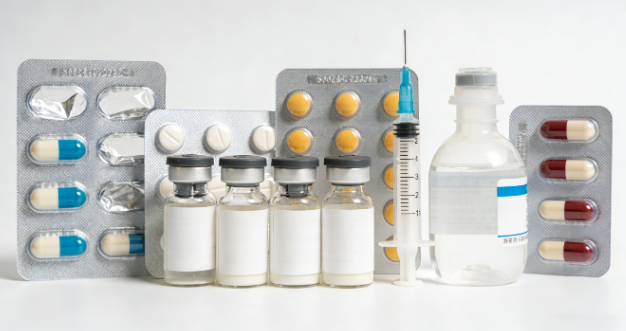
A number of relevant standards have been established for the quality testing of pharmaceutical composite rigid sheets. Sumspring Experimental Instrument Co., Ltd. has conducted in-depth research into these standards as well as pharmaceutical packaging material requirements, and has developed comprehensive testing solutions for pharmaceutical composite rigid sheet packaging materials. These solutions provide pharmaceutical manufacturers and packaging material suppliers with the testing instruments needed for quality control, helping companies strengthen their competitiveness.
1. Tensile Strength Testing for Pharmaceutical Composite Rigid Sheets
Purpose of Test: Pharmaceutical composite rigid sheets must withstand the weight of their contents as well as external forces during use. Mechanical performance testing is therefore essential to ensure that the material meets the required mechanical properties.
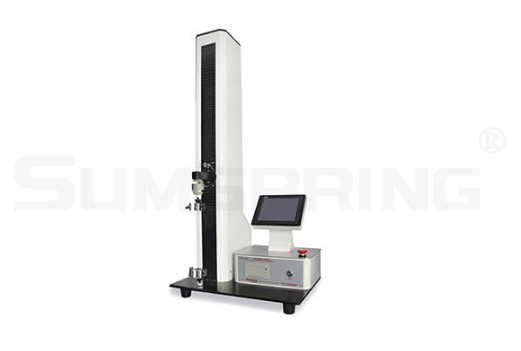
Test Principle: The specimen is clamped between two grips of the testing instrument. The two grips move in opposite directions, and the force sensor on the moving grip and the built-in displacement sensor collect force and displacement data throughout the test. This data is used to calculate performance indicators including tensile strength, tear resistance, and deformation rate.
Test Instrument: The test can be performed using the Sumspring YYB-03 Pharmaceutical Packaging Tear and Tensile Tester. Specimens are prepared in accordance with standard requirements, mounted on the upper and lower grips of the tensile tester, and tested at a set speed to obtain the results.
2. Heat Seal Strength Testing for Pharmaceutical Composite Rigid Sheets
Purpose of Test: Used for testing the heat seal strength of sealed areas.
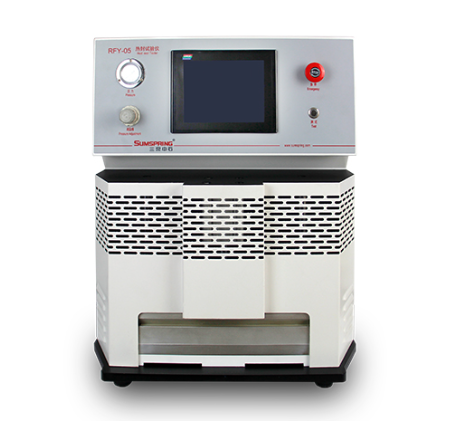
Test Instrument: The RFY-05 Heat Seal Tester is primarily used for accurate determination of heat seal temperature, heat seal time, and heat seal pressure parameters for films, laminated films, PVC rigid sheets, pharmaceutical aluminum foil, and other materials.
3. Impact Resistance Testing for Pharmaceutical Composite Rigid Sheets
Purpose of Test: Used to evaluate the impact resistance of rigid sheets under ball drop impact.
Test Method: Cut specimens measuring approximately 150 mm in length and 50 mm in width, five each in the machine direction and transverse direction. Condition the specimens at 23°C ± 2°C and 50% ± 5% RH for at least 4 hours before testing. Mount the specimen on the ball drop impact tester with a span of 100 mm. Select the appropriate steel ball and drop height, and release the ball so that it falls freely onto the center of the span. No more than two specimens out of five in either direction should show breakage.
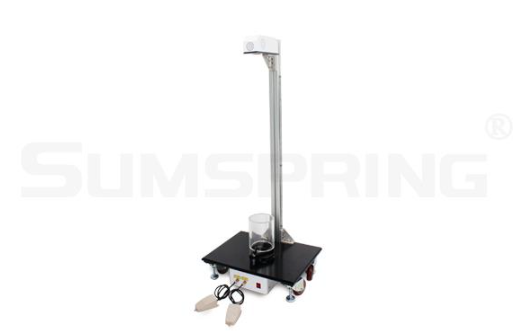
Test Principle: Cut specimens to the specified dimensions and clamp them in the holder. Select a steel ball and mount it on the electromagnetic release device. Release the ball so that it falls freely onto the center of the specimen. Observe the damage condition of the specimen and calculate the damage rate after multiple tests.
Test Instrument: The LQ-50S Ball Drop Impact Tester is primarily used for impact resistance testing of pharmaceutical PVC rigid sheets. It is an essential testing instrument for pharmaceutical packaging material manufacturers, pharmaceutical companies, and quality inspection authorities.
4. Seal Integrity Testing
Blister packaging is designed to protect the product and block external light, moisture, and air from affecting the drug. Therefore, the seal integrity of blister packaging is particularly important.
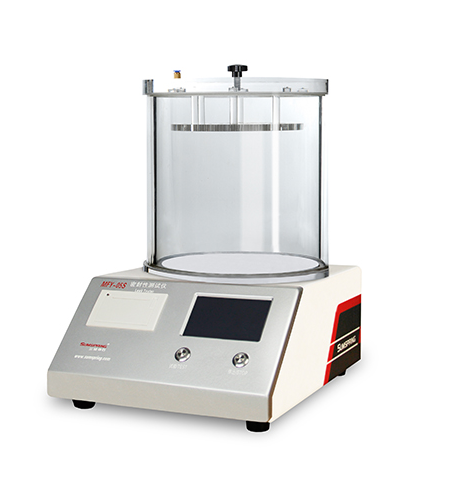
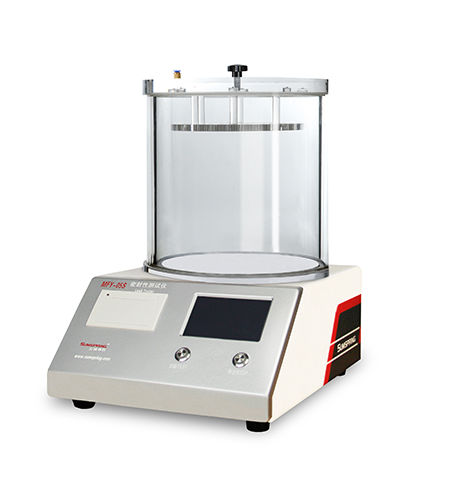
The MFY-05S Seal Integrity Tester operates in accordance with the standard (GB/T 15171-94 – Test method for seal integrity of flexible packaging). The working principle is as follows: the complete package is placed in a transparent acrylic vacuum chamber filled with water, with the water level approximately 20 mm above the package. Vacuum is applied to the chamber, creating a pressure differential between the inside and outside of the submerged specimen. The test observes whether a continuous stream of bubbles escapes from the specimen, and after the test, checks for water ingress to determine seal integrity. The entire test process is fully automatic. The MFY-05S Seal Integrity Tester consists of a main unit and an acrylic vacuum chamber. The instrument allows preset vacuum levels and hold times, and the entire test is completed automatically.
In addition to the above parameters, some pharmaceutical composite rigid sheets (such as aluminum/polyethylene cold-forming laminated rigid sheets for solid pharmaceutical packaging) also require peel strength and adhesive layer bonding testing, which can also be performed using the YYB-03 Pharmaceutical Packaging Tear and Tensile Tester.