
The Importance of Butyl Rubber Stopper Penetrability and Standard Interpretation
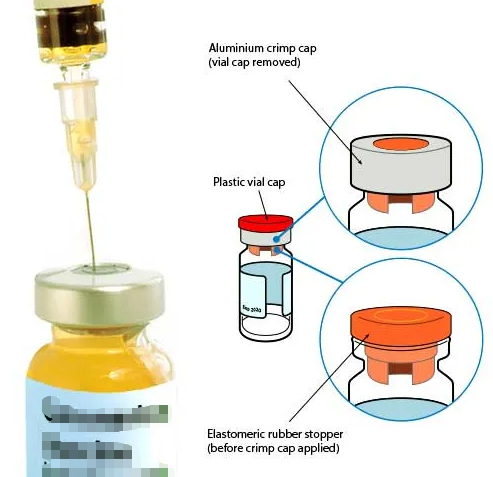
In the field of pharmaceutical packaging, the rubber closure test for packaging systems and USP 381 compliance are critical elements in ensuring drug safety and smooth clinical administration. According to the interpretation of the United States Pharmacopeia (USP) General Chapter <381>, one of the core functions of medical elastomeric closures (such as butyl rubber stoppers) is to ensure easy manual puncture in clinical settings without compromising seal integrity.
The standard explicitly states that the penetrability of stoppers directly affects the handling experience of healthcare professionals and patient safety. If the puncture force is excessively high (the standard generally requires the maximum puncture force to not exceed 10N), it can easily cause the hypodermic needle to bend, break, or induce hand fatigue in medical staff. Conversely, a puncture force that is too low may lead to liquid leakage or external microbial invasion. Furthermore, inferior stoppers subjected to improper stress are more prone to fragmentation (particulates), significantly increasing medical risks during injection.
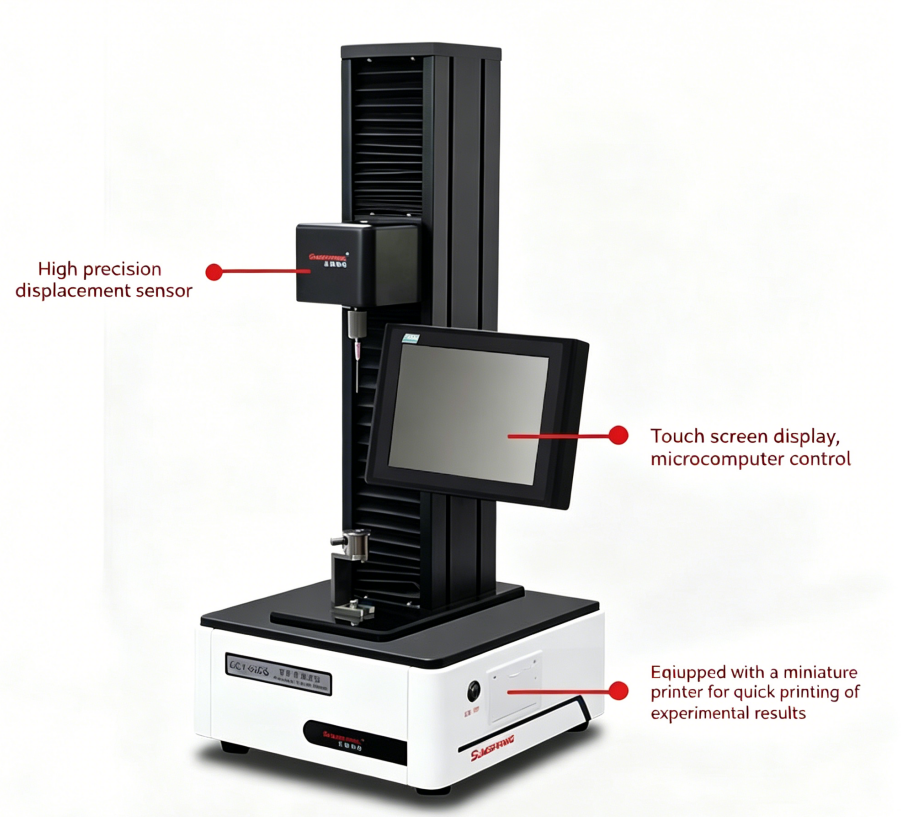
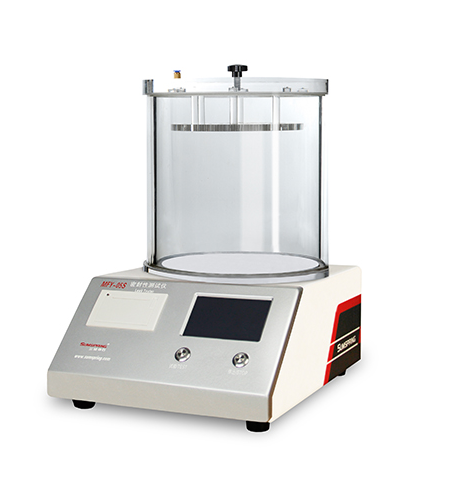
To guarantee product quality, pharmaceutical companies and packaging suppliers must conduct rigorous rubber stopper penetration tests. As a highly professional material quality tester, the CCY-02DS puncture force tester developed by Sumspring has emerged as the preferred choice in the industry. This equipment not only offers extremely high precision in force data acquisition but also visually displays the force variation curve during the puncture process. It perfectly meets the mechanical testing needs of various medical rubber stoppers, enabling companies to easily navigate strict domestic and international quality regulations.