How HVLD High‑Voltage Discharge Method Helps Global Pharma Companies Comply with USP 1207 Container‑Closure Integrity Requirements
In recent years, with the release and gradual implementation of USP 1207.2, global pharmaceutical regulatory authorities – including the FDA, EMA, PMDA, and China's CDE – have continuously tightened requirements for Container Closure Integrity Testing (CCIT). Starting in 2026, deterministic methods have replaced probabilistic methods as the mainstream technological approach for CCIT, and pharmaceutical manufacturers are facing increasing compliance pressure to upgrade their testing methodologies.
Against this backdrop, High Voltage Leak Detection (HVLD) micro‑leak testing technology – with its unique advantages of being non‑destructive, highly efficient, and capable of in‑line 100% inspection – is becoming the preferred solution for global pharmaceutical companies to meet cross‑border compliance requirements.
Deterministic Methods: Why HVLD Is in the Spotlight?
USP 1207 clearly classifies CCIT methods into two categories:
 Probabilistic Methods (e.g., microbial challenge test, dye ingress test): Rely on random events; results are significantly influenced by operating conditions; sensitivity is limited, and most are destructive tests
Deterministic Methods (e.g., vacuum decay, high voltage leak detection, laser‑based headspace analysis): Provide objective, quantitative, highly sensitive, and repeatable results
High Voltage Leak Detection (HVLD) – as one of the deterministic methods – offers distinct advantages in high‑speed filling line scenarios due to its non‑destructive nature, no vacuum chamber requirement, and direct in‑line integration capability.
In‑Depth Analysis: The Principle of HVLD Micro‑Leak Detection
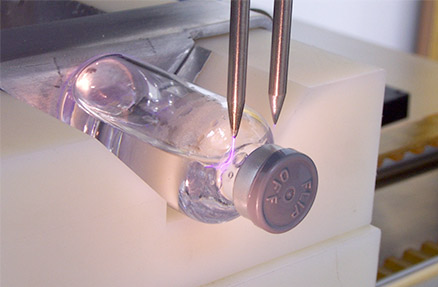
HVLD is based on the high‑voltage spark test system principle. When the packaging container is made of electrically insulating material (such as glass or plastic) and contains a conductive liquid inside, the detection electrode applies high‑frequency, high voltage to specific areas of the sealed container.
When the container is intact: The insulating packaging blocks most of the circuit path, generating only an extremely small background current
When the container has a micro‑hole or seal defect: The applied high voltage seeks the path of least resistance. High‑frequency current flows through the liquid gap at the pinhole or defective seal directly into the container interior, causing a significant increase in the detection current
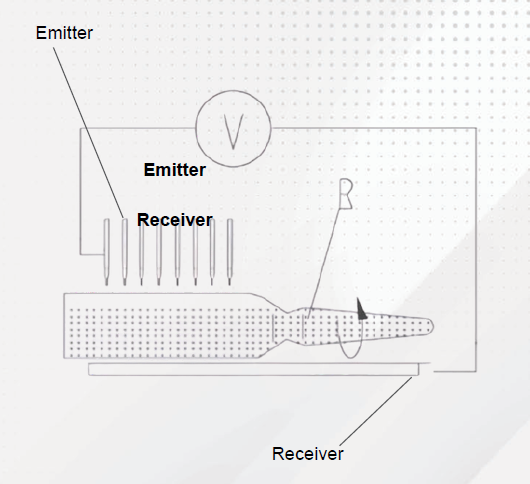
By precisely detecting this change in electrical conductivity, the HVLD micro‑leak tester can identify defects on‑line with extremely high stability and an exceptionally low false‑rejection rate.
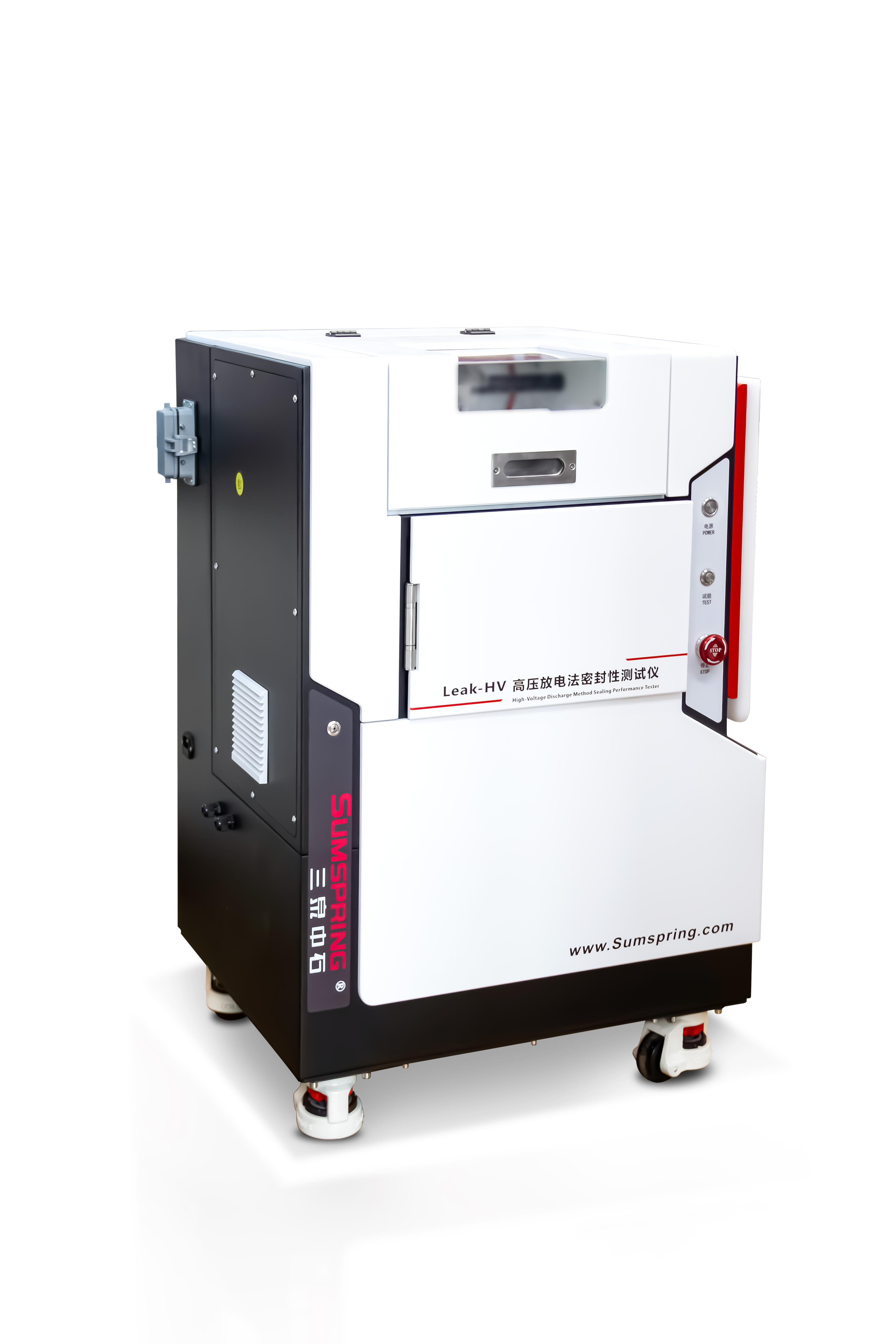
Sumspring HVLD Micro‑Leak Tester (Leak‑HV Series)
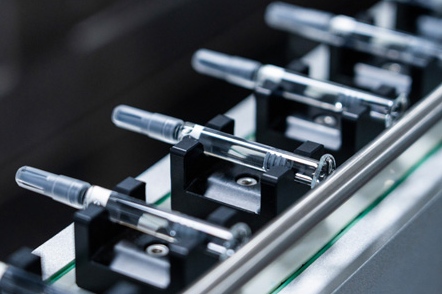
Sumspring has launched the Leak‑HV Series High Voltage Leak Detection (HVLD) Micro‑Leak Seal Testers in strict accordance with USP 1207.2 standards. These instruments are specifically designed for 100% in‑line non‑destructive CCIT of liquid‑filled pharmaceutical packaging. The series covers two major application scenarios – bottle testing and bag testing – accommodating a wide range of packaging formats:
Applicable Packaging Types:
 Vials, ampoules, pre‑filled syringes (PFS), BFS containers, glass infusion bottles, lexible IV bags, upright infusion bags, BFS bag‑type packaging