
Deterministic vs. Probabilistic CCIT Methods: How to Choose the Best Test Solution for Package Integrity?
In the pharmaceutical, biotechnology, and medical device industries, Container Closure Integrity Testing (CCIT) serves as a critical safeguard for ensuring product sterility, efficacy, and patient safety. Faced with increasingly stringent regulatory requirements—such as USP <1207> and EU GMP Annex 1—companies often encounter a core decision when developing their leak detection strategies: Deterministic CCIT or Probabilistic CCIT?
1. What Are Deterministic and Probabilistic CCIT?
Deterministic CCIT Methods
Deterministic methods are techniques that provide direct, quantitative, and objective physical measurements of leak size or leak rate, without relying on statistical inference. They are capable of precisely detecting physical defects in packaging systems.
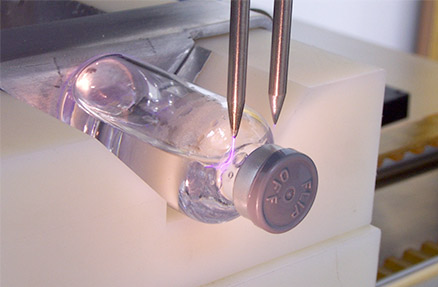
Common Techniques: Vacuum Decay, Pressure Decay, Headspace Analysis, and High-Voltage Leak Detection (HVLD).
Characteristics: High sensitivity, objective and reproducible data, and typically non-destructive.
Probabilistic CCIT Methods
Probabilistic methods, by contrast, are based on statistical sampling and probability models. Rather than directly measuring leak magnitude, they evaluate the risk of package failure through qualitative (pass/fail) results.
Common Techniques: Microbial Ingress and traditional Dye Ingress tests.
Characteristics: Typically destructive, and dependent on operators' visual judgment and subjective experience.
2. Why Choose Deterministic Over Probabilistic?
In recent years, industry standards and regulatory agencies—such as the FDA and EMA—have been strongly encouraging a shift from probabilistic to deterministic testing. The primary reasons include:
Objective and Quantifiable Data: Deterministic methods provide precise leak data, perfectly aligning with the modern pharmaceutical industry's requirements for data integrity and root-cause analysis.
Non-Destructive and Cost-Saving: Deterministic tests such as vacuum decay are non-destructive. After testing, high-value drug samples can be returned intact to the production line, significantly reducing scrap losses during batch release.
Elimination of Human Error: With high levels of automation, these methods rule out the false positives or false negatives that often arise from operator visual fatigue in traditional dye ingress tests.
Are Probabilistic Methods Obsolete?
Not at all. Probabilistic methods still hold irreplaceable value in certain specific scenarios. For example, microbial challenge testing remains an important complementary tool during early product development, stability studies, or when validating the microbial barrier properties of containers.
3. How to Implement the Right CCIT Strategy?
Developing a sound CCIT strategy requires a comprehensive consideration of the following factors:
Product and Package Type: For lyophilized powders or gas-filled packaging, headspace analysis is an ideal choice; for liquid vials or pre-filled syringes, vacuum decay or HVLD technologies perform exceptionally well.
Lifecycle Stage: During package development and design phases, probabilistic tests such as microbial challenge can be combined with deterministic methods; for commercial-scale production and routine batch release, deterministic non-destructive testing should be fully adopted.
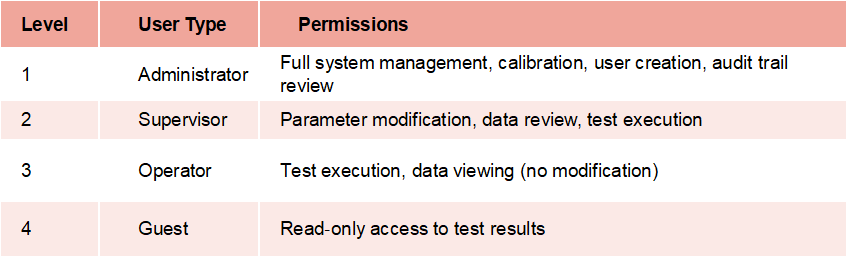
Regulatory Compliance: Ensure that the selected instruments comply with current pharmacopoeia requirements (e.g., USP <1207>) and are equipped with robust audit trail functionalities.
4. Choose Sumspring to Elevate Your Leak Detection Capabilities
Whether you are embracing the trend by adopting high-precision deterministic technologies or conducting standard probabilistic evaluations during R&D, selecting a professional and reliable instrument supplier is the key to success.
Sumspring, as a leading manufacturer of packaging testing equipment, offers comprehensive CCIT solutions covering the entire product lifecycle:
Sumspring Deterministic Testing Equipment: Leveraging advanced vacuum decay technology, Sumspring provides high-precision, non-destructive automated seal testers. Fully compliant with USP <1207> and ASTM standards, these instruments accurately detect micro-leaks in vials, ampoules, infusion bags, and more, enabling efficient and compliant batch release.
Sumspring Probabilistic Testing Equipment: Sumspring offers standardized, high-quality positive- and negative-pressure dye ingress seal testers, perfectly suited for early package barrier validation and routine sampling inspection, with simple operation and stable performance.
Do not let package defects become the weak link in your product quality. With Sumspring's professional probabilistic and deterministic testing equipment, comprehensively upgrade your container closure integrity testing strategy—and gain full confidence in every batch release!
Contact Sumspring experts today for a CCIT solution tailored to your needs!