
Mechanical Testing of Pharmaceutical Packaging: Methods, Standards and Applications
Why Mechanical Force Testing Is Essential for Pharmaceutical Packaging
Ensuring Packaging Integrity Starts with Mechanical Testing
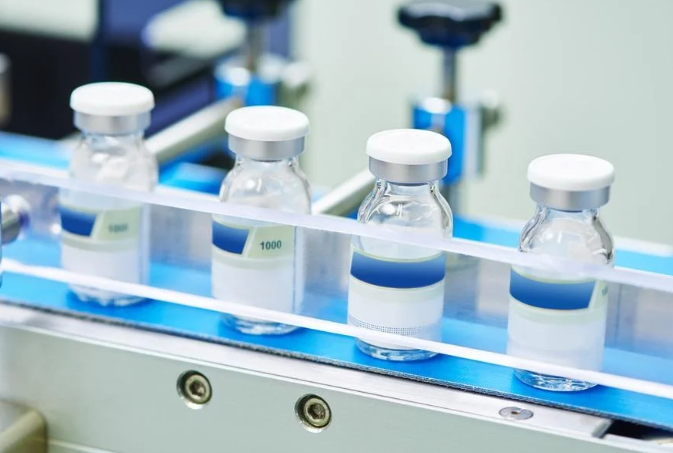
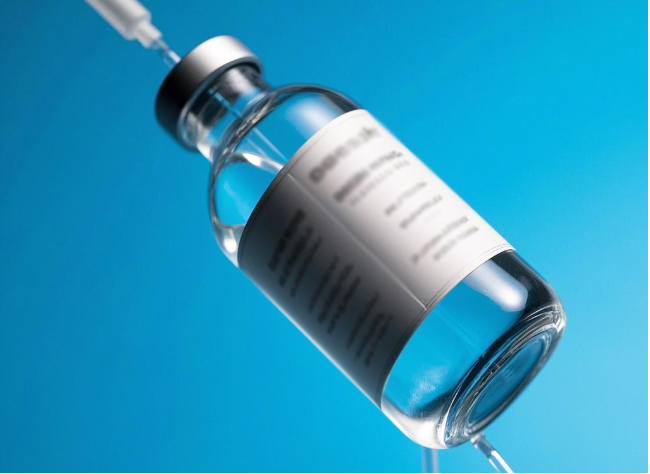
In the pharmaceutical industry, packaging is more than a container—it is a critical barrier that protects products from contamination, moisture, oxygen, and physical damage throughout storage, transportation, and use.
Even minor defects such as weak seals, poor adhesion, or insufficient puncture resistance can compromise package integrity, resulting in product loss, reduced shelf life, regulatory non-compliance, and costly recalls. As packaging materials become more advanced and quality requirements continue to increase, mechanical testing has become an essential part of pharmaceutical quality control.
Compliance with International Standards
Pharmaceutical packaging materials are commonly evaluated according to internationally recognized standards, including ASTM, ISO, and GB testing methods. These standards require manufacturers to verify the mechanical properties of packaging materials to ensure consistent product quality and reliable performance.
Routine force testing not only supports regulatory compliance but also provides valuable data for product development, supplier qualification, and production quality assurance.
What Should Be Tested?
Different packaging materials require different mechanical performance evaluations. Common testing items include:
• Tensile Strength
• Peel Strength (90° & 180°)
• Seal Strength
• Tear Resistance
• Compression Force
• Puncture Resistance
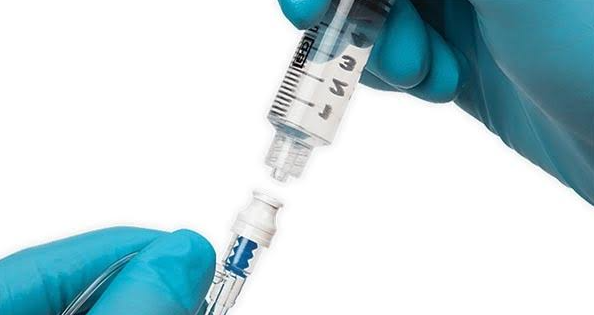
• Opening Force
• Coefficient of Friction (COF)
• Bond Strength
These tests help manufacturers identify potential weaknesses before products enter the market, improving packaging reliability and reducing quality risks.
One Platform for Multiple Testing Applications
Instead of using separate instruments for different test methods, laboratories increasingly prefer integrated testing systems that support multiple applications on a single platform.
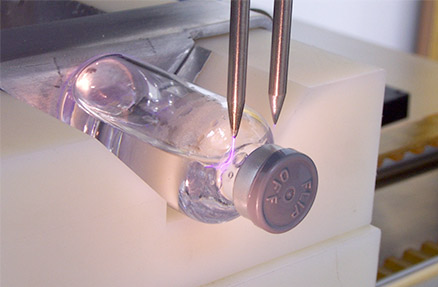
The Sumspring MultiAuto-2000 Automatic Multi-Function Force Test System is designed to perform a wide range of mechanical force tests by simply changing fixtures and selecting the appropriate test program. One instrument can meet the diverse testing requirements of packaging laboratories while improving efficiency and reducing equipment investment.
Applications
The MultiAuto-2000 is suitable for quality control, research, and product development across a variety of industries, including:
• Pharmaceutical Packaging
• Medical Devices
• Flexible Packaging
• Plastic Films and Laminates
• Paper and Paperboard
• Adhesive Products
• Bottle Caps and Closures
• Consumer Packaging
• Third-Party Testing Laboratories
• Universities and Research Institutes
Whether used for incoming material inspection, process validation, or finished product quality control, the system delivers accurate, repeatable, and reliable mechanical testing results.
Learn more about the Sumspring MultiAuto-2000 and discover how one testing platform can simplify your laboratory’s force testing requirements.