
USP 382 Elastomeric Closure Functionality in Injectable Pharmaceutical Packaging/Delivery Systems – Key Insights and Testing Solutions
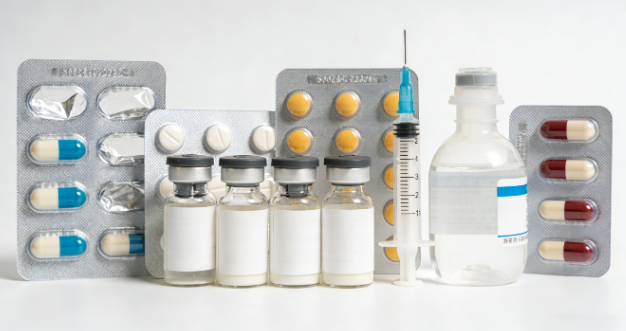
USP <382> "Elastomeric Closure Functionality in Injectable Pharmaceutical Packaging/Delivery Systems" (hereinafter referred to as <382>) and its subsequent revisions have further clarified testing requirements and industry directions for injectable drug products. Elastomeric rubber closures play a critical role in maintaining seal integrity in injectable packaging systems.
I. Focus on Overall Packaging System Integrity and Elastomeric Compatibility
Packaging system integrity refers to the ability of the packaging system to prevent product loss and ingress of external contaminants. According to USP <382> Section 4, all elastomeric closure components used in injectable products (such as rubber stoppers, plungers, needle shields, etc.) must ensure "inherent package integrity" – meaning that the leakage rate of a defect‑free packaging system after assembly must not exceed the product's "Maximum Allowable Leakage Limit" (MALL).
As a drafting contributor to the Guideline on Integrity Testing of Sterile Pharmaceutical Packaging Systems, Sumspring reminds that no single leak test method is applicable to all packaging systems. The industry must select appropriate methods based on product characteristics and conduct thorough validation (taking into account variables such as packaging materials and product viscosity).
USP <382> covers various injectable packaging systems incorporating elastomeric components, each with different sealing interfaces:
Packaging Type Sealing Interface Key Focus Areas
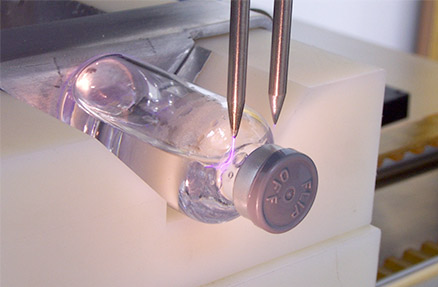
Vials / Injection Bottles Mechanical seal between rubber stopper and bottle finish Sealing interface between stopper and bottle neck
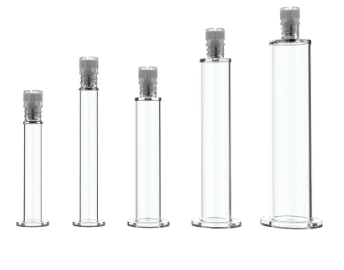
Prefilled Syringes / Cartridges Sliding seal between plunger and barrel; static seal of needle shield/tip cap Plunger seal integrity and needle shield functionality
BFS Containers with Elastomeric Liners Welded seal between plastic cap and container; puncture seal zone of liner Sealing integrity of the puncture area
Large‑Volume Plastic Infusion Containers Puncture seal of the infusion port and connector seal Sealing performance under simulated clinical use conditions
Each interface requires independent seal integrity evaluation based on its function and associated risks.
It is important to note that seal integrity testing applies only to intact, non‑punctured sealing systems. Once a package is punctured by a needle or spike, the evaluation must transition to "in‑use seal integrity" assessment, simulating the barrier function under multiple‑dose administration scenarios.
II. Key Elastomeric Performance Parameters and Testing
1. Self‑Sealing Capacity
For multi‑dose packaging (e.g., multi‑dose vials, infusion bags), the sealing system must maintain a temporary seal after puncture. Section 5.3 specifies that testing must simulate the most extreme use conditions, with each sample subjected to multiple punctures, followed by leak testing using a Leak‑S Micro‑Leak Seal Integrity Tester to verify the "in‑use Maximum Allowable Leakage Limit."
2. Spike Retention and Sealability Capacity
For packaging delivered via spikes (e.g., infusion bottles, BFS containers), Section 5.4 requires: BFS containers must undergo seal integrity testing using a CC‑10 Spike Retention Test Apparatus with weight loading, while plastic infusion containers must be evaluated for leakage under internal pressurization.
3. Plunger Seal Integrity
The plunger in prefilled syringes must maintain fluid seal under pressure. Section 6.2 describes: apply an axial pressure of 300 kPa to the filled syringe and hold for 30 seconds – no visible leakage at the plunger interface. This test uses the Sumspring ZY‑6S Syringe Seal Integrity Positive Pressure Tester to simulate the thrust force during actual administration, ensuring that the plunger does not cause product loss due to uneven lubrication or design defects.
4. Tip Cap and Needle Shield Functionality
Tip caps and needle shields serve as the primary barrier for maintaining syringe sterility. Section 7 requires that their removal force must be neither too high (affecting ease of use) nor too low (preventing accidental detachment during transport). Testing should utilize the Sumspring YYB‑03 Pharmaceutical Packaging Tear and Tensile Tester to record removal force, ensuring stability throughout the product lifecycle.
Additionally, USP <382> also mentions the need for clinical use scenario simulation: for flexible packaging such as infusion bags, the NLY‑01 Infusion Bag Permeability Tester should be used to simulate sealing performance under pressurized infusion (e.g., 20 kPa pressure testing).
III. Sumspring's Perspective
With years of experience in developing pharmaceutical packaging container testing instruments, Sumspring deeply recognizes that the seal integrity of injectable packaging systems is a multi‑dimensional and complex attribute. Pharmaceutical manufacturers should not only focus on the final seal integrity of the packaging system, but also pay close attention to the compatibility of various components – especially the performance of rubber elastomers that provide the primary sealing function.
In line with the QbD (Quality by Design) concept, seal integrity risk assessment should be introduced early in packaging development, rather than being treated solely as an end‑of‑line test. In response to USP <382>, pharmaceutical companies should strictly implement regulatory requirements to safeguard drug quality and patient safety.